
Unboxing Schrödinger’s Dataset: The real level of IP risk in AI generated code
February 10, 2025
/
5 -min read
This article takes a deep dive into the true level of IP risk associated with AI-generated code, leveraging recent research from Carnegie Mellon University to separate fact from fiction.
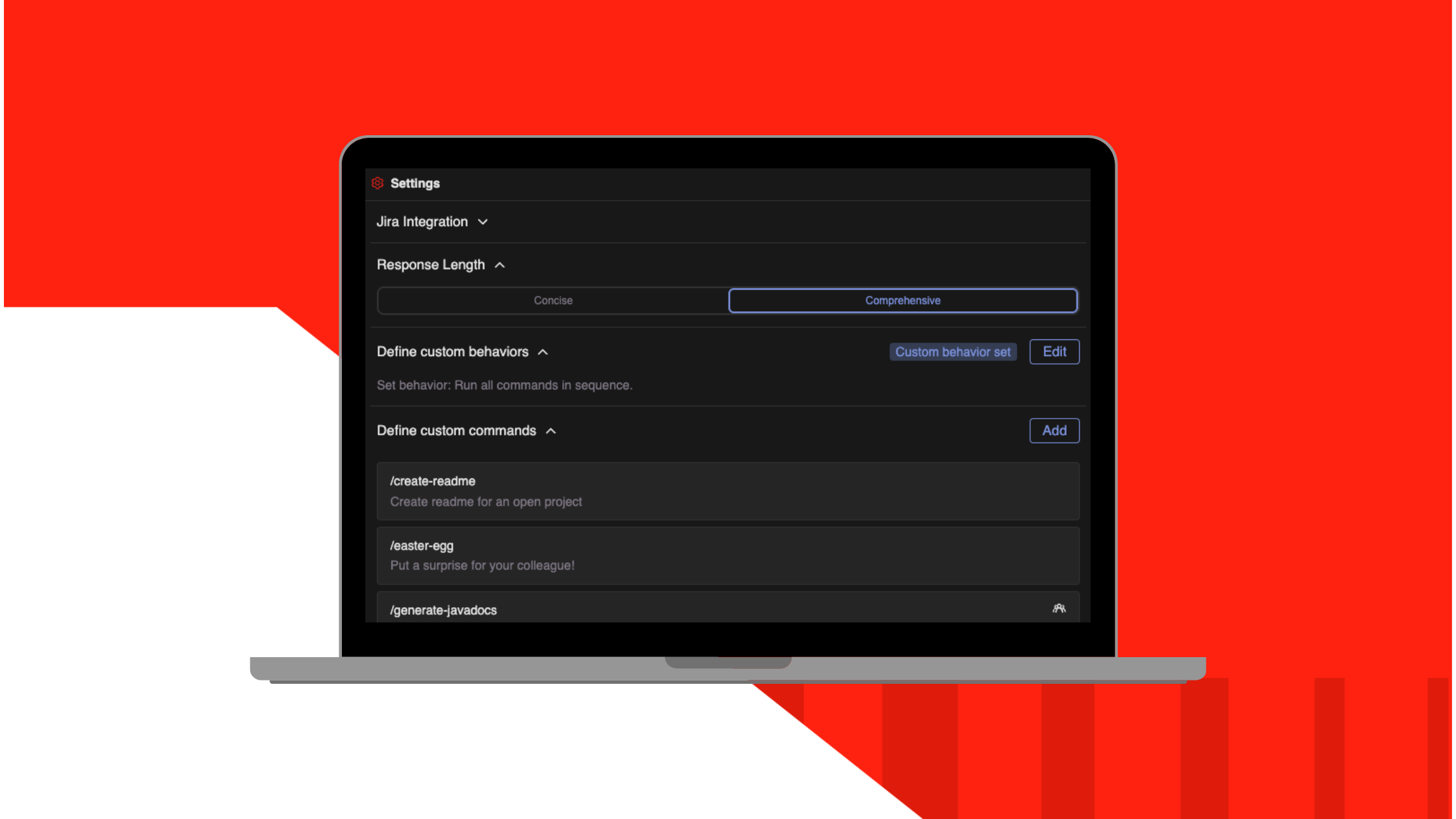
Control every interaction: Introducing Tabnine’s new personalization features
February 6, 2025
/
5 -min read
For AI to drive meaningful impact it must deliver recommendations that are tailored to each team’s specific practices and preferences.
Even high-quality code can lead to tech debt
February 4, 2025
/
< 1 -min read
Eran Yahav, Tabnine's CTO and co-founder, spoke with Stack Overflow about software development and AI.…
December Changelog
January 23, 2025
/
4 -min read
Tabnine's December updates reflect our focus on making AI a more pragmatic, secure, and customizable part of your development workflow.

Getting the most from GenAI through personalization
January 23, 2025
/
2 -min read
Our Personalizing AI coding assistants to your organization guide explores how to effectively "onboard" Tabnine into your organization.

Measuring the Impact of AI Coding Assistants
January 23, 2025
/
2 -min read
This report aggregates and analyzes the most significant research available on AI code assistants and provides a simple, logical framework for you to calculate the value for your team.

AI Code Assistant Buyer’s Guide
January 23, 2025
/
2 -min read
Tabnine's AI Code Assistants Buyer's Guide helps engineering leaders through the critical considerations for choosing and adopting AI code generation technology.
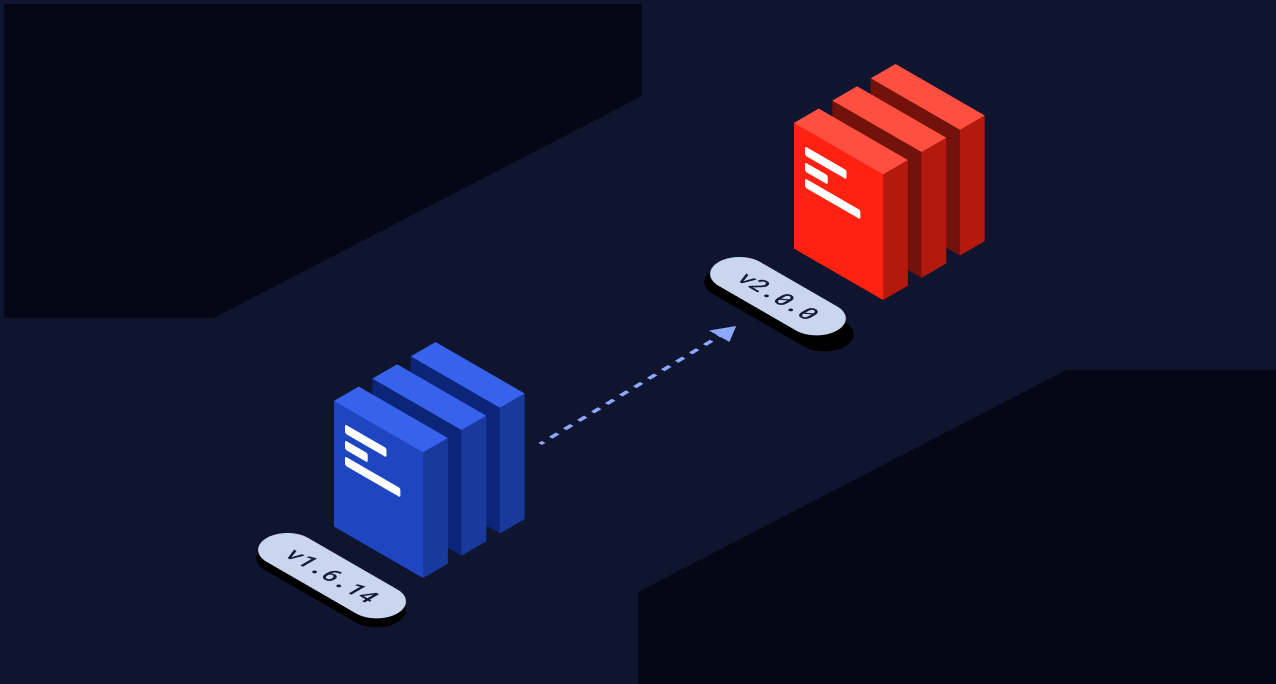
Making major updates trivial with the right context
January 13, 2025
/
3 -min read
Here’s how you can help guide an AI code assistant to upgrade libraries and fill in any gaps in its knowledge.
What Tabnine learned from building an AI code assistant
January 6, 2025
/
9 -min read
Developers continue to be both curious and skeptical about AI coding tools, but also ready to use them. Here's what we learned from building ours.


