OFFICE HOURS
Learn From The Experts
February 19
8 am PT

Define the World
Your Agents Operate In

Most AI agents work from fragments of context, which means decisions are less accurate, changes introduce risk, and complex tasks take longer than they should. The Enterprise Context Engine builds a structured model of your systems and dependencies, enabling agents to reason, verify, and automate with confidence—improving accuracy, reducing token consumption, and accelerating time to resolution.

Most AI agents work from fragments of context, which means decisions are less accurate, changes introduce risk, and complex tasks take longer than they should. The Enterprise Context Engine builds a structured model of your systems and dependencies, enabling agents to reason, verify, and automate with confidence—improving accuracy, reducing token consumption, and accelerating time to resolution.

The Missing Layer in <span>Enterprise AI</span>

The Missing Layer in Enterprise AI

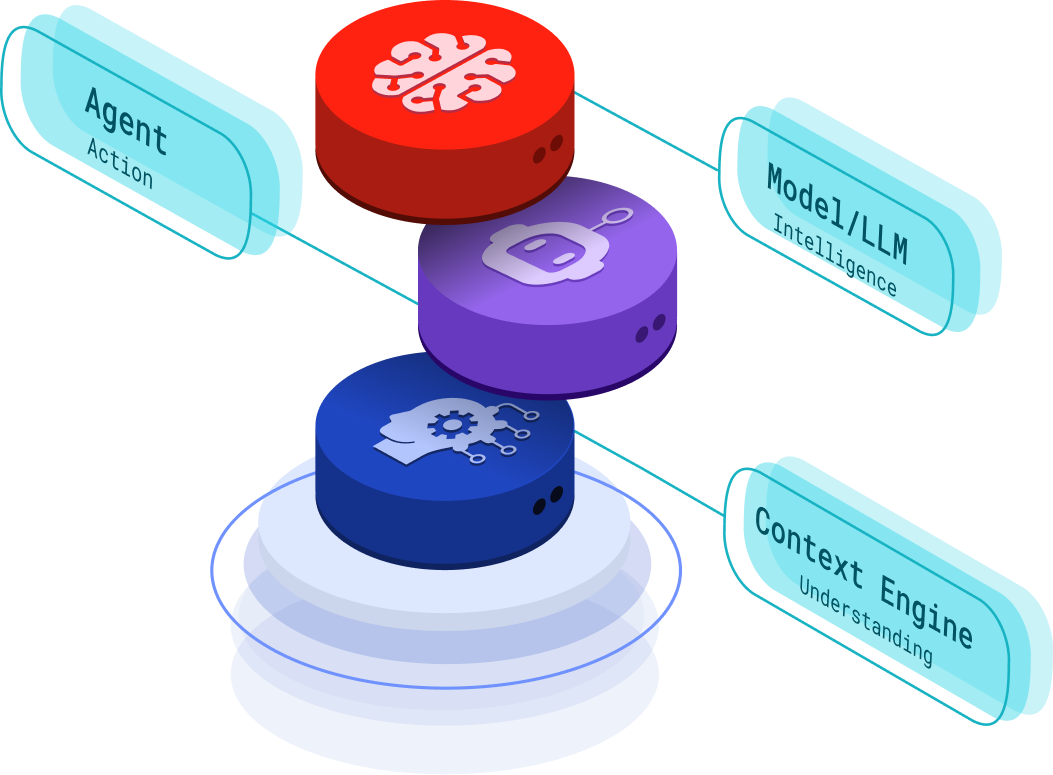
Models provide intelligence. Agents provide action. But enterprises need one more thing: understanding. Without context, automation breaks in complex systems. Every change introduces risk. Accuracy goes down while token consumption goes up.

Works With the <span>Tools You Already Use</span>

Works With the Tools You Already Use

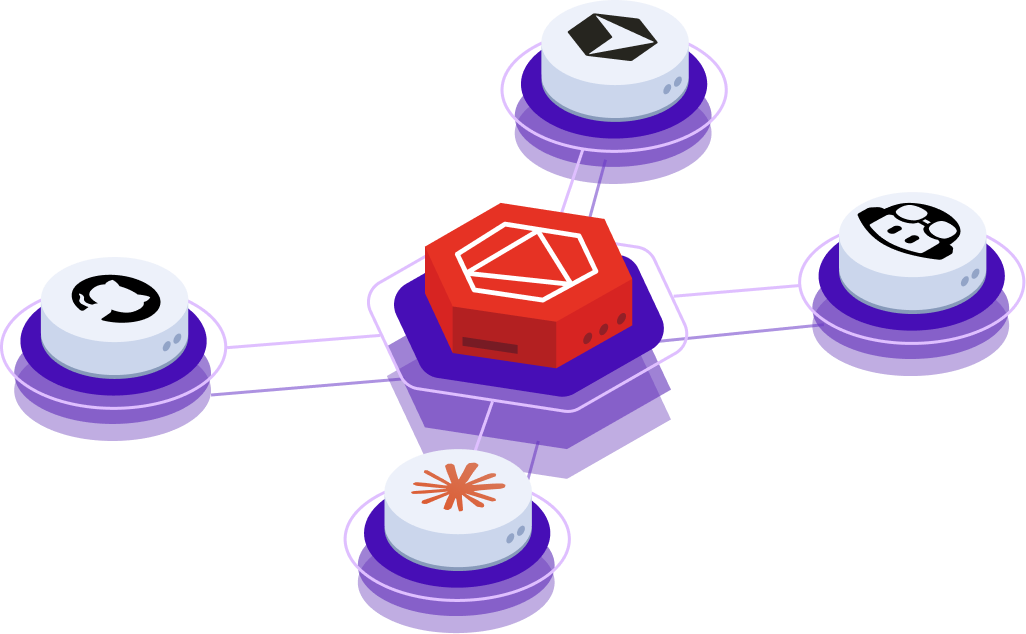
You don’t need to replace your developers’ tools to benefit from enterprise context. The Enterprise Context Engine works alongside agents like Cursor (code editor), GitHub Copilot, Claude Code, and Tabnine, giving each of them a deeper understanding of your organization. The result is simple: better suggestions, safer automation, and more consistent outcomes—no matter which agent your teams use.

<span>Better Outcomes</span>, Not Just Better Prompts

Better Outcomes, Not Just Better Prompts

Enterprise context doesn’t just improve how agents work—it changes the results. When agents understand your systems, architecture, and standards, they make fewer mistakes, require fewer iterations, and reach correct solutions faster.

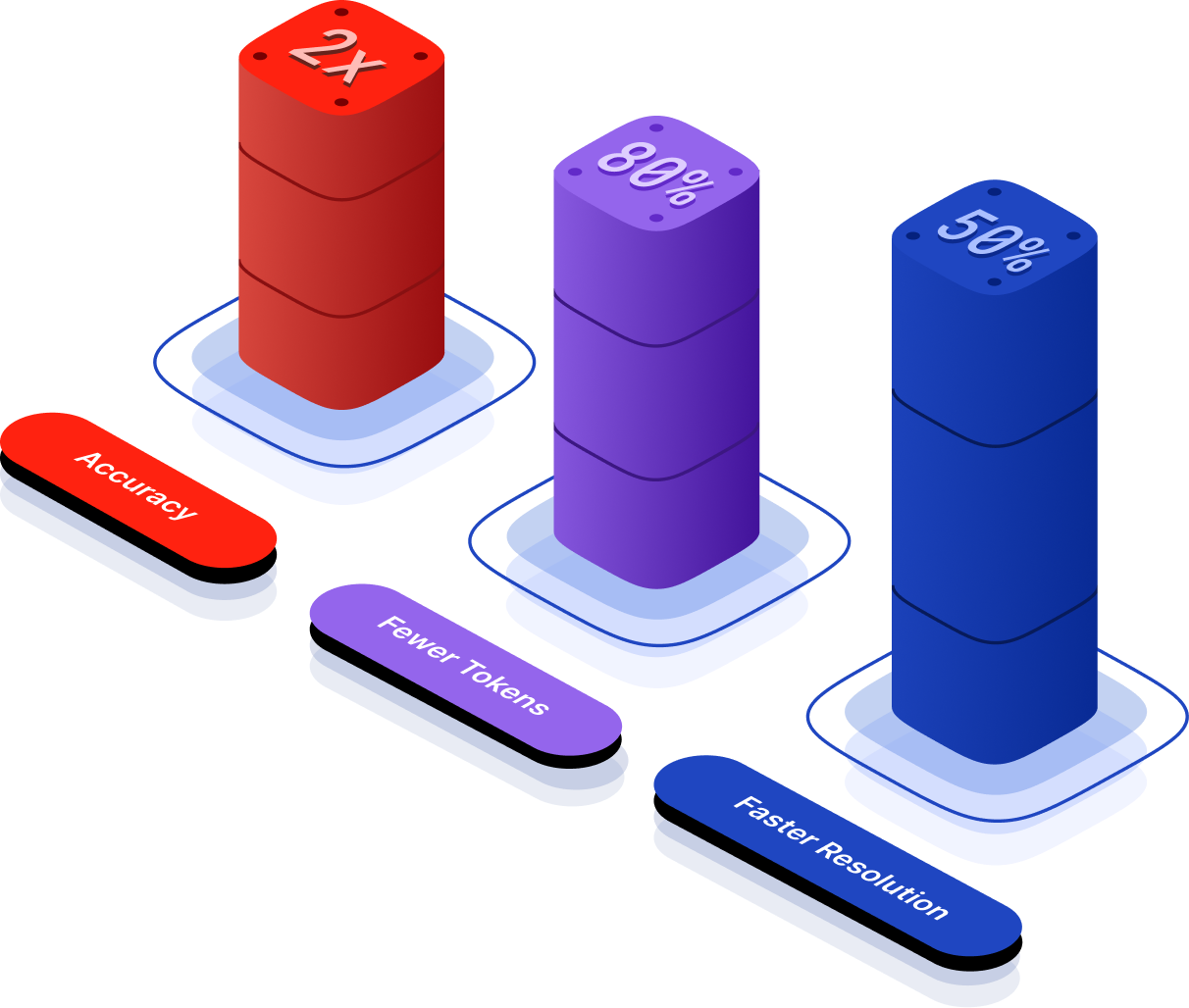
Organizations using enterprise context commonly see up to 2Ă— improvement in accuracy, up to 80% reduction in token consumption by eliminating blind exploration, and up to 50% faster time to resolution on complex tasks.

The difference isn’t a better model. It’s better understanding.

Watch how Enterprise Context Delivers Trusted AI

See how enterprise context gives agents a deeper understanding of your systems—improving accuracy, reducing risk, and accelerating real work.

Enterprise Context > RAG > GREP

Enterprise Context > RAG > GREP

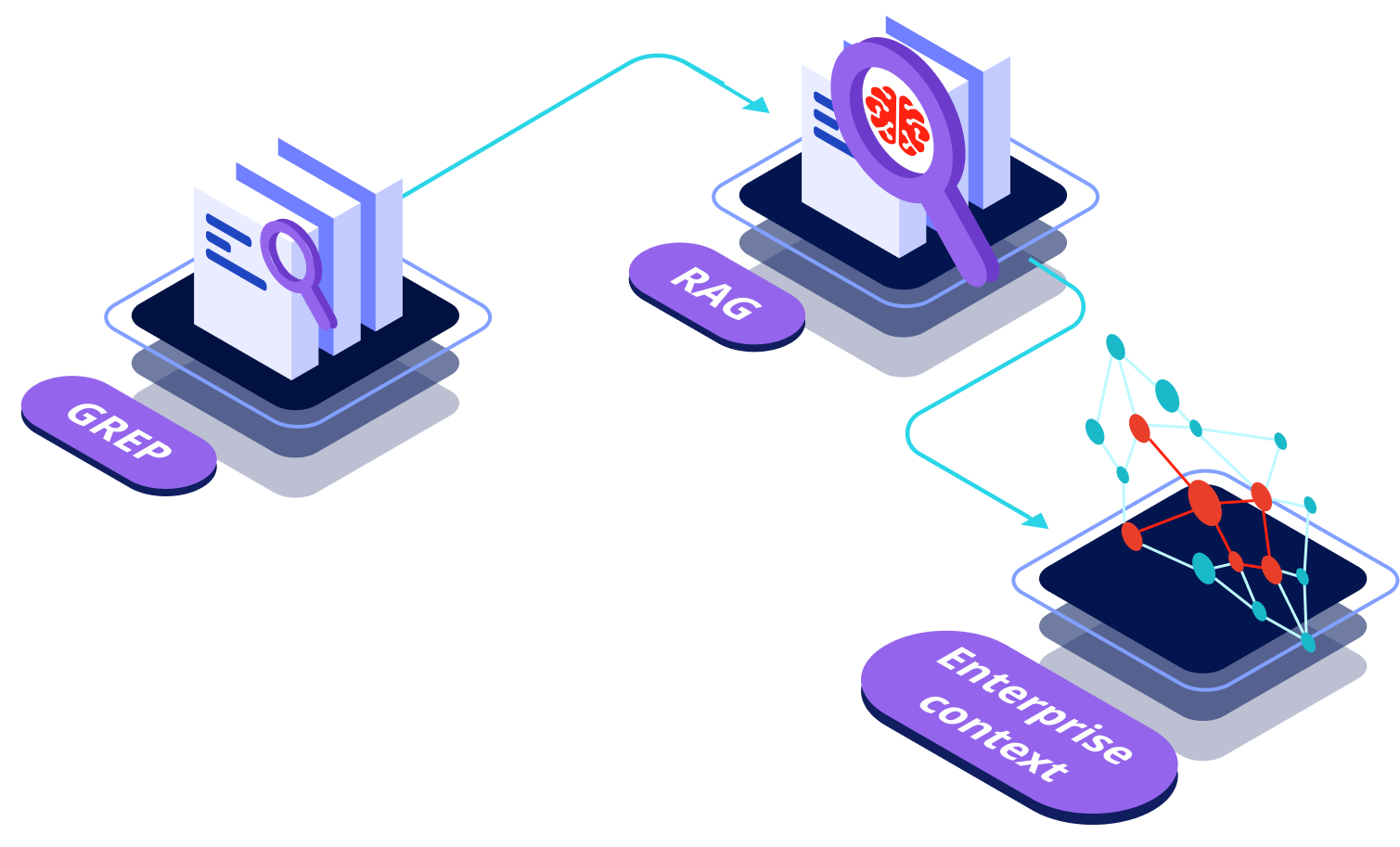
The Enterprise Context Engine is a continuously evolving organizational intelligence layer that goes beyond traditional Retrieval-Augmented Generation (RAG).

Instead of treating information as isolated documents or embeddings, it builds a structured model of the enterprise by extracting entities, relationships, dependencies, and patterns from both structured and unstructured sources.

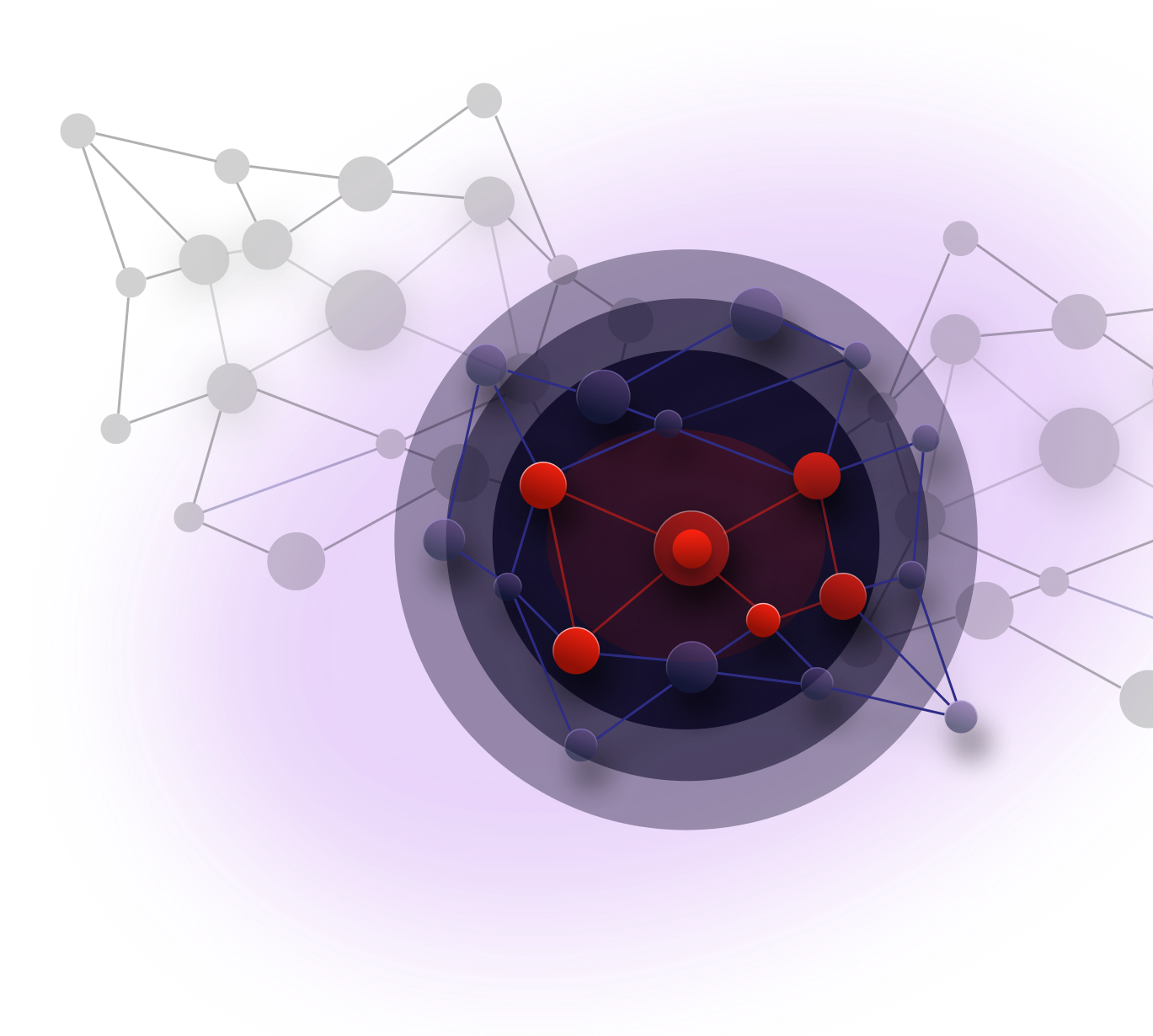
This model forms a knowledge graph that agents can query to reason about systems, architecture, and workflows—not just retrieve text.

This turns enterprise knowledge into a system agents can understand, allowing them to make accurate decisions, evaluate consequences, and automate complex work with confidence.

Built for Mission-Critical and Highly Secure Environments

Deploy anywhere — SaaS, on-prem, or fully air-gapped — and keep everything inside. Tabnine gives mission-critical teams the control and compliance to scale AI securely across the enterprise.

Reasoning Across Systems, Not Just Searching Text

Reasoning Across Systems, Not Just Searching Text

Unlike vector-only approaches, the Context Engine supports structured queries and multi-step reasoning across dependencies and organizational rules. Agents can trace relationships, evaluate blast radius, follow architectural constraints, and verify outputs against both explicit specifications and implicit standards. This enables deeper verification and more reliable automation in complex enterprise environments

Learn why millions of developers choose Tabnine and why Tabnine is a 2025 Gartner Magic Quadrant Visionary.

Get a demo

More Features

Hybrid Graph + Vector Context

Combines semantic search with a knowledge graph so agents understand relationships, dependencies, and architecture—not just text.

Real-Time Organizational Awareness

Continuously ingests and correlates code, docs, tickets, and APIs to keep context fresh and accurate.

Dependency & Blast Radius Analysis

Agents can trace relationships across systems to understand the impact of changes before they’re made.

Verification Against Standards

Automatically checks outputs against architectural patterns, coding standards, and organizational rules.

Agent-Agnostic Context Layer

Works with Tabnine, Cursor, GitHub Copilot, Claude Code, and internal agents to improve outcomes across tools.

Shared Memory for Multi-Agent Systems

Provides a consistent understanding of your organization so multiple agents can reason and act coherently.

FAQ

FAQ

Traditional RAG retrieves documents based on similarity. The Enterprise Context Engine builds a structured model of your systems, including entities, relationships, and dependencies, enabling agents to reason about architecture, workflows, and consequences—not just retrieve text.
No. The Enterprise Context Engine works alongside tools like Cursor, GitHub Copilot, Claude Code, and Tabnine, providing the context layer that makes all of them more accurate and reliable.
It supports on-premises, private VPC, and air-gapped deployments, allowing organizations to keep sensitive code and data inside their security perimeter.
The engine continuously ingests and correlates information from repositories, documentation, tickets, APIs, and infrastructure metadata to build a living model of your organization.
Yes. Tabnine supports multiple models and lets developers select the one they prefer.
By giving agents real understanding of your systems, organizations typically see higher accuracy, faster problem resolution, and reduced token usage because agents require fewer iterations and less blind exploration.